The Department of Pathological Anatomy and Forensic Medicine at Central Asian Medical University is an essential academic and research unit that connects fundamental and clinical medical sciences. The department focuses on studying the morphological basis of diseases, determining causes of death, analyzing forensic medical cases, and mastering modern diagnostic methods.
During the training process, students explore cellular and tissue-level changes in diseases and acquire skills in forensic examination, including the analysis of injuries, violent cases, and causes of death. Modern microscopy, digital pathology, and laboratory diagnostic technologies are widely applied.
 CAMU
CAMU
Pathological anatomy and forensic medicine
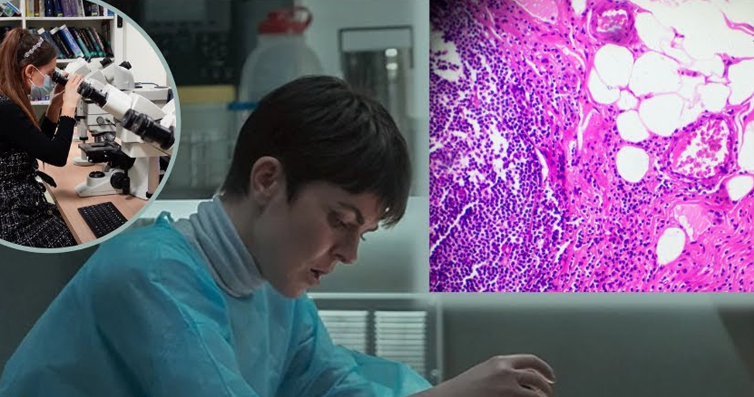

Main Objectives of the Department
The main objective of the department is to develop a deep understanding of disease pathogenesis and morphological changes, as well as the ability to use pathological data to support clinical diagnoses and conduct forensic medical examinations. Special emphasis is placed on analytical thinking and evidence-based decision-making.
Students are trained to handle medico-legal cases, prepare expert conclusions, and follow professional ethics. The department integrates modern scientific approaches into education.
Courses and Disciplines
The curriculum includes general and systemic pathology, disease morphology of organs and systems, and fundamentals of biopsy and autopsy analysis.
In forensic medicine, students study injury classification, mechanisms of death, forensic examination procedures, analysis of biological evidence, and medical documentation. The program combines theoretical and practical training.
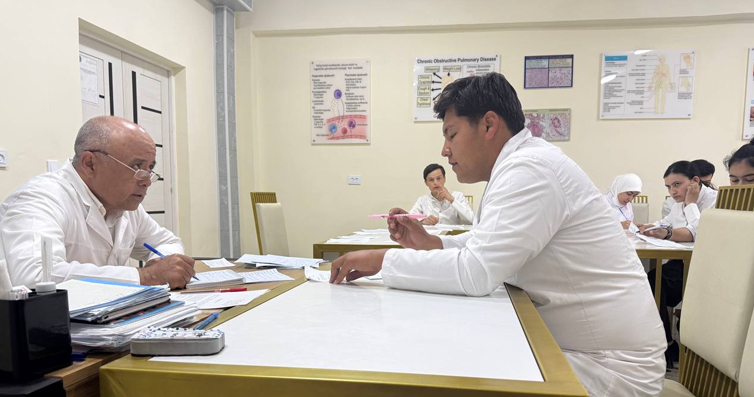
Research Activities
The department actively conducts research aimed at improving morphological diagnostics, studying the pathogenesis of oncological and inflammatory diseases, and developing forensic methodologies.
Special focus is placed on digital pathology and the use of artificial intelligence for microscopic image analysis, enhancing diagnostic accuracy and research efficiency.
Students participate in scientific clubs, conferences, grants, and publications, strengthening their research skills.
Clinical Base
The department collaborates with modern pathology laboratories, forensic centers, and multidisciplinary clinics, providing students with hands-on experience.
Students are involved in histological analysis, autopsy procedures, microscopic diagnostics, and forensic examinations. Laboratories are equipped with advanced microscopes, immunohistochemical tools, and digital systems.
Training based on real clinical cases ensures high-level professional preparation.

International Cooperation
The department actively develops international partnerships with universities and research centers. Joint research, exchange programs, and internships are regularly organized.
Advanced technologies such as digital pathology and modern diagnostic approaches are introduced into the educational process. Students and faculty participate in international conferences and collaborative projects.
Academic Staff
The department consists of qualified pathologists, forensic experts, and academic staff with scientific degrees who actively implement modern teaching methods and continuously improve their qualifications.
Teachers
-
Position: Senior teacher
ORCID:
Phone:
...
-
Position: Teacher
ORCID:
Phone:
...
-
Position: Teacher
ORCID:
Phone:
...
-
Position: Teacher
ORCID:
Phone:
...
-
Position: Teacher
ORCID:
Phone:
...
-
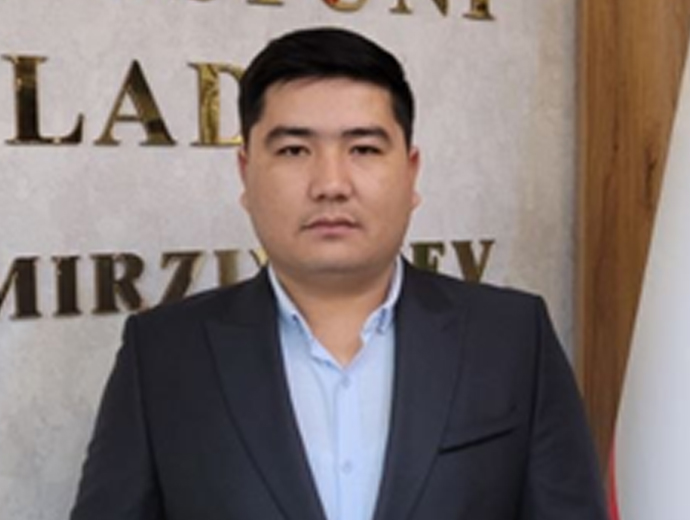
Position: Teacher
ORCID:
Phone:
...
-
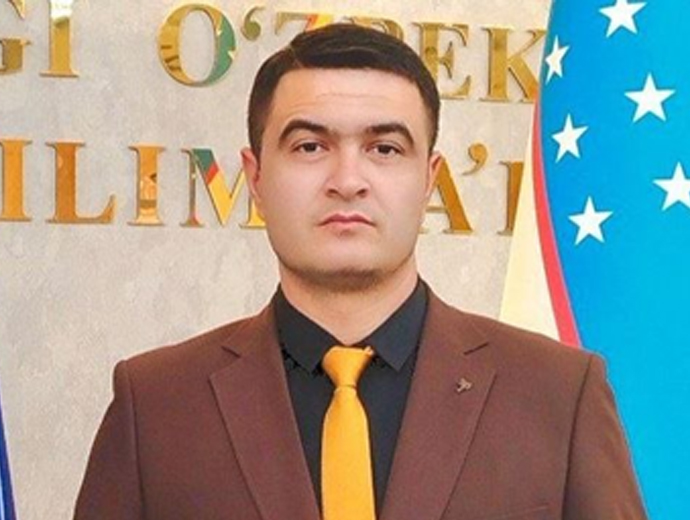
Position: Teacher
ORCID:
Phone:
...
Position: Head of Department
ORCID:
Phone: