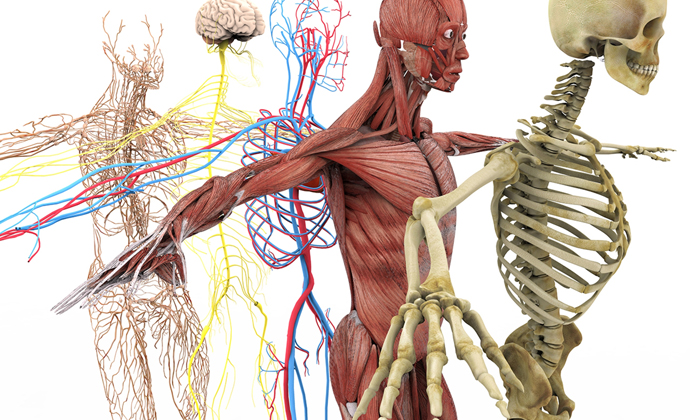
The Residency Program in Pathological Anatomy (Pathology) is designed to train specialists in the study of the morphological basis of diseases, identification of structural changes in organs and tissues, and providing definitive diagnostic confirmation through laboratory analysis. This specialty plays a critical role in understanding disease mechanisms, improving diagnostic accuracy, and evaluating treatment outcomes. During the program, residents learn macroscopic and microscopic examination of biopsy and surgical specimens, as well as histological, cytological, immunohistochemical, and molecular diagnostic techniques. Training emphasizes morphological diagnosis of diseases across different organ systems, detection of neoplastic processes, and clinicopathological correlation. Clinical training is conducted in modern pathology laboratories, where residents gain experience with advanced microscopy, digital pathology systems, and laboratory information technologies. The curriculum integrates strong theoretical foundations with practical laboratory expertise. Graduates are prepared to work in pathology departments, clinical diagnostic laboratories, oncology centers, research institutes, and academic institutions as professional pathologists.
 CAMU
CAMU