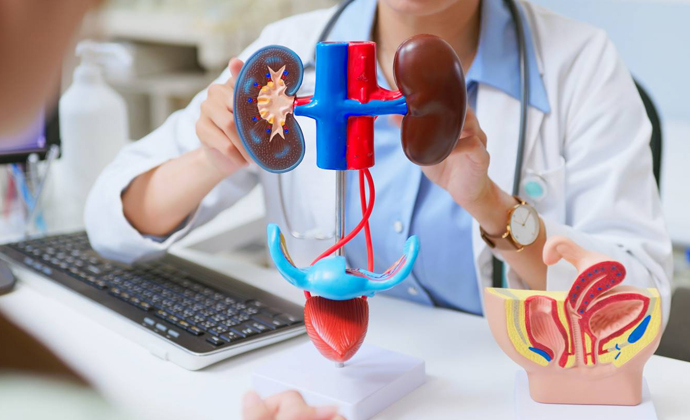
The Residency Program in Urology is designed to train highly qualified specialists in the prevention, diagnosis, and treatment of diseases of the urinary and male reproductive systems using both conservative and surgical approaches. This specialty plays a vital role in maintaining men’s reproductive health and managing kidney and urinary tract disorders. During the program, residents study urolithiasis (kidney stones), urinary tract infections, prostate diseases, male infertility, tumors, congenital abnormalities, and renal failure. Training includes ultrasound diagnostics, endoscopic evaluation, uroflowmetry, computed tomography, and modern surgical techniques. Clinical practice is conducted in specialized urology departments and clinics, where residents gain hands-on experience in endoscopic and laparoscopic procedures, minimally invasive treatments, and postoperative patient management. The curriculum integrates theoretical education with extensive clinical training. Graduates are prepared to work in multidisciplinary hospitals, urology centers, diagnostic clinics, private healthcare institutions, and research organizations as professional urologists.
 CAMU
CAMU