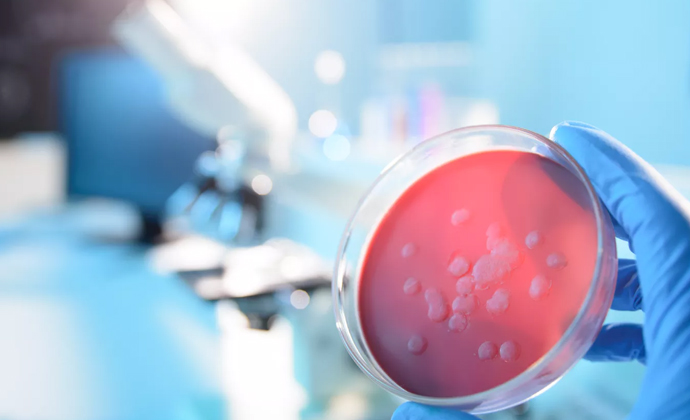
The Residency Program in Infectious Diseases is designed to train highly qualified specialists in the prevention, early detection, diagnosis, treatment, and epidemiological control of infectious diseases. This specialty plays a crucial role in protecting public health and preventing the spread of infections. During the program, residents study viral, bacterial, parasitic, and fungal infections, acute intestinal diseases, respiratory infections, viral hepatitis, zoonotic diseases, and other infectious conditions, including their etiology, pathogenesis, clinical features, diagnosis, and treatment. Training emphasizes laboratory diagnostics, immunological testing, modern treatment protocols, and preventive strategies. Clinical training is conducted in infectious disease hospitals, specialized centers, and laboratories, where residents gain experience in infection control, patient isolation procedures, disinfection practices, and epidemiological analysis. The curriculum integrates theoretical knowledge with practical clinical experience. Graduates are prepared to work in infectious disease hospitals, public health and epidemiological services, diagnostic laboratories, research institutes, and international healthcare programs as infectious disease specialists.
 CAMU
CAMU