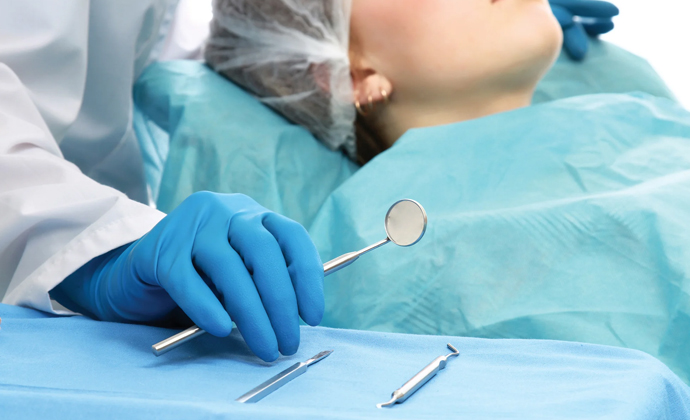
The Residency Program in Oral and Maxillofacial Surgery is designed to train highly qualified specialists in the diagnosis and surgical treatment of diseases, injuries, and congenital anomalies of the maxillofacial region, as well as in functional and aesthetic reconstruction. This specialty lies at the intersection of dentistry and general surgery and requires a comprehensive clinical approach. During the program, residents study inflammatory conditions, traumatic injuries, tumors, congenital deformities, disorders of the masticatory system, and techniques of reconstructive and plastic surgery. Training emphasizes modern diagnostic technologies such as radiography, computed tomography (CT), 3D modeling, and digital surgical planning. Clinical practice is conducted in specialized clinics and surgical centers, where residents gain hands-on experience in osteosynthesis, dental implantation, reconstructive procedures, minimally invasive interventions, and postoperative rehabilitation. The curriculum integrates theoretical knowledge, surgical practice, and research activities. Graduates are prepared to work in multidisciplinary hospitals, oral and maxillofacial surgery centers, dental clinics, private medical institutions, and research organizations as professional maxillofacial surgeons.
 CAMU
CAMU