The Master’s program Morphology is aimed at training highly qualified scientific and academic specialists focused on the study of the structure of the human body, the development of tissues and organs, and their functional and pathological changes. The program provides advanced knowledge in anatomy, histology, cytology, and embryology, while developing research competencies and analytical skills. The educational process is organized according to international standards and integrates fundamental sciences with innovative research approaches.
 CAMU
CAMU
Morphology
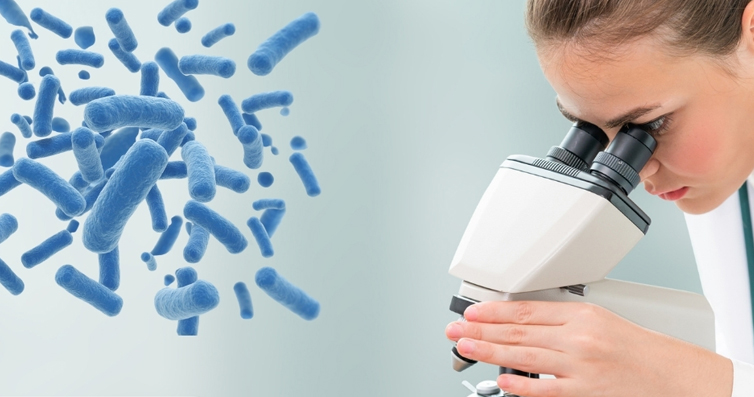
During the program, students study the microscopic structure of cells and tissues, morphofunctional characteristics of organs and systems, processes of ontogenesis, morphological bases of pathological changes, and modern research techniques in morphology. Training includes laboratory work, microscopic analysis, scientific seminars, and experimental investigations.
Special emphasis is placed on mastering histological sample preparation, microscopy, morphometric analysis, immunohistochemistry, digital morphology, and statistical processing of scientific data. Students also develop skills in research planning, academic writing, and preparation and presentation of scientific publications.
Graduates of this program can work in higher education institutions, research institutes, medical laboratories, and diagnostic centers as researchers, lecturers, and specialists. They may also continue their education in doctoral programs to pursue advanced scientific and academic careers.
First Year
Fall
- 1.03 - Morphological examination methods and examination objects
- 1.04 - Human anatomy, histology, cytology and embryology
- 2.01 - Socio-economic development strategy of Uzbekistan
- 2.03 - Modern information and communication technologies
- 3.01 - Preparation and defense of scientific research work and master's thesis
- 3.02 - Scientific and pedagogical work
Credits: 30
Spring
- 1.01 - Scientific research methodology
- 1.02 - Healthcare management
- 1.03 - Morphological examination methods and examination objects
- 1.04 - Human anatomy, histology, cytology and embryology
- 2.02 - Pedagogical technologies and pedagogical skills
- 3.01 - Preparation and defense of scientific research work and master's thesis
- 3.02 - Scientific and pedagogical work
Credits: 30
Second Year
Fall
- 1.04 - Human anatomy, histology, cytology and embryology
- 2.04 - Improving the quality of medical care
- 3.01 - Preparation and defense of scientific research work and master's thesis
- 3.02 - Scientific and pedagogical work
Credits: 30
Spring
- 3.01 - Preparation and defense of scientific research work and master's thesis
- 3.03 - Scientific practice (gaining experience)